
DIY Countertop Installation: What You Need to Know Before You Start


Understanding Your Material Options
Before embarking on your DIY countertop installation, it’s crucial to understand the variety of materials available. Common options include granite, laminate, quartz, and butcher block. Each material has its own set of advantages and challenges. For instance, granite is durable but requires sealing, while laminate is budget-friendly but less heat-resistant.
Preparing Your Space
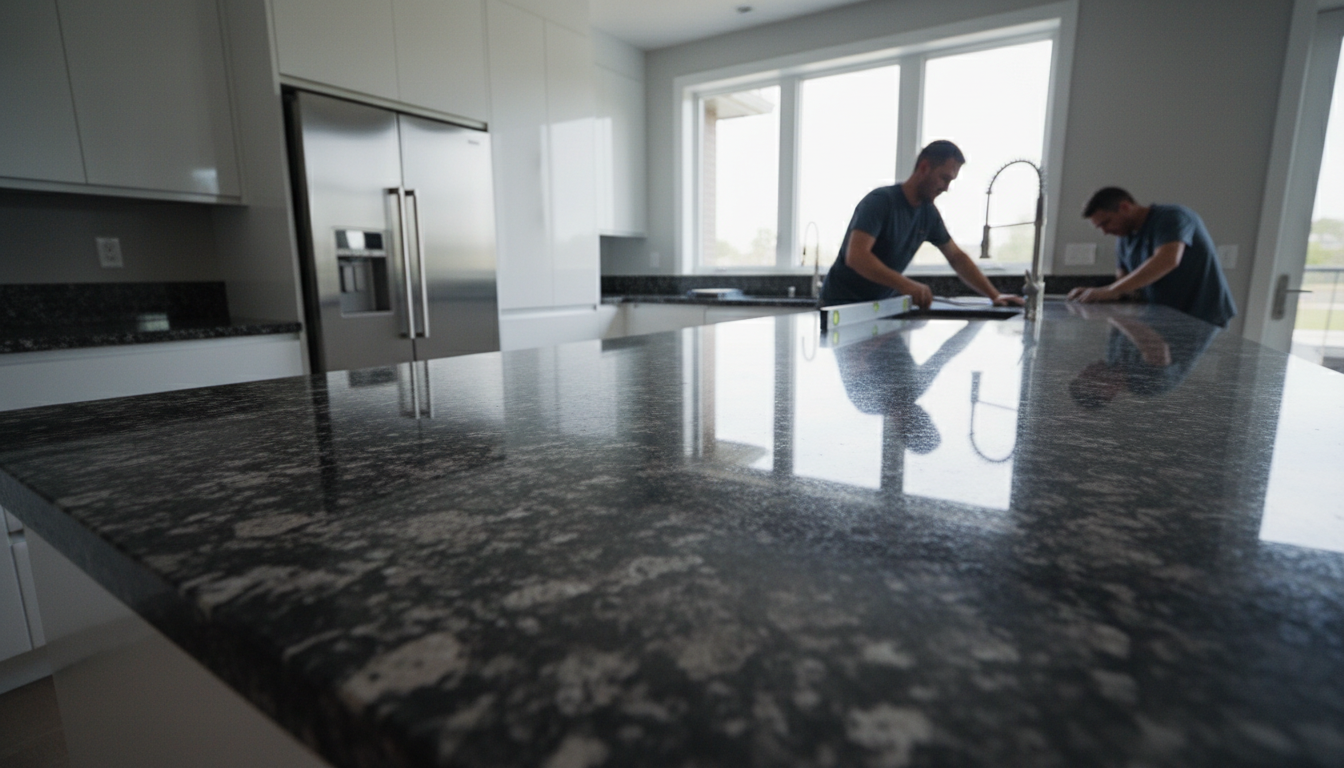
Proper preparation is key to a successful installation. Begin by removing the old countertop and any kitchen appliances that might obstruct the process. Ensure that the cabinets are level, as an uneven surface can lead to complications. Take accurate measurements of your space to avoid any fitting issues.
Tools and Materials
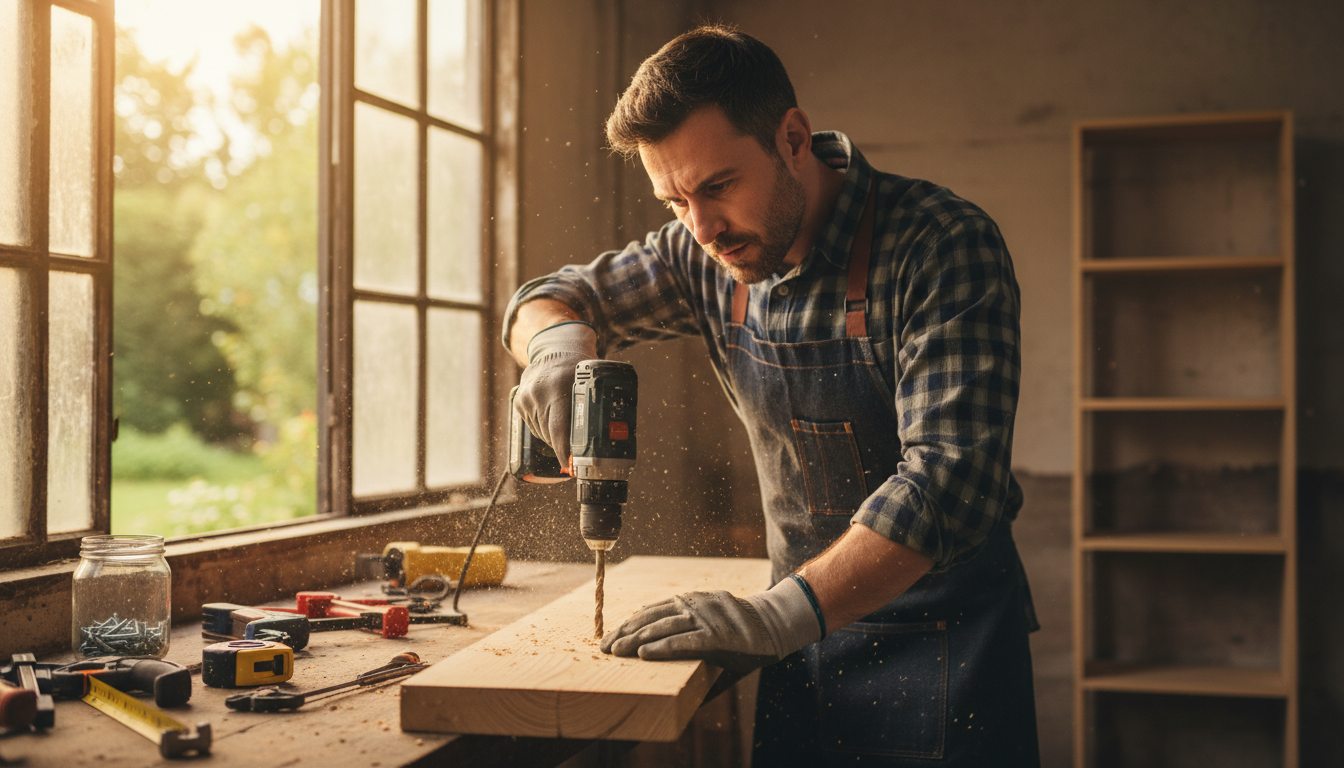
Having the right tools and materials on hand will make the installation smoother. Basic tools include a tape measure, level, saw, and adhesive. Depending on the material, you might also need a circular saw or jigsaw. Make sure to have safety gear like gloves and goggles as well.
Installing the Countertop
Once your space is prepared and you have your materials, it's time to install the countertop. Begin by placing the countertop on the cabinets to ensure a good fit. If adjustments are needed, make precise cuts using the appropriate saw. Secure the countertop with adhesive and screws, where applicable.
Sealing and Finishing
After the countertop is installed, sealing is an important step, especially for porous materials like granite. Apply a sealant to protect against stains and moisture. For a polished look, finish by caulking the edges where the countertop meets the wall. This not only enhances appearance but also provides a moisture barrier.
Maintenance Tips
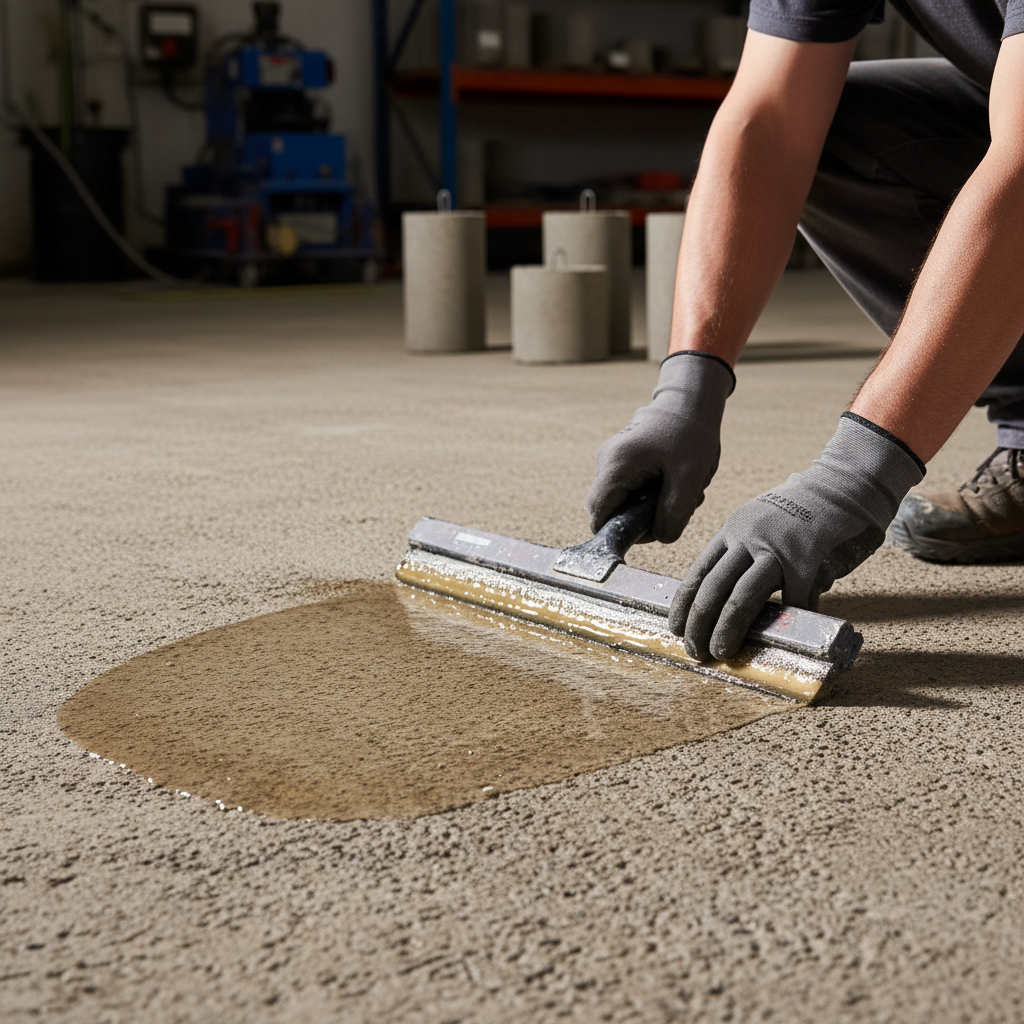
Once your new countertop is in place, maintaining it is essential for longevity. Regularly clean the surface with mild soap and water. Avoid harsh chemicals that can damage the finish. For materials like butcher block, periodic oiling is necessary to maintain its beauty and functionality.
Common Mistakes to Avoid
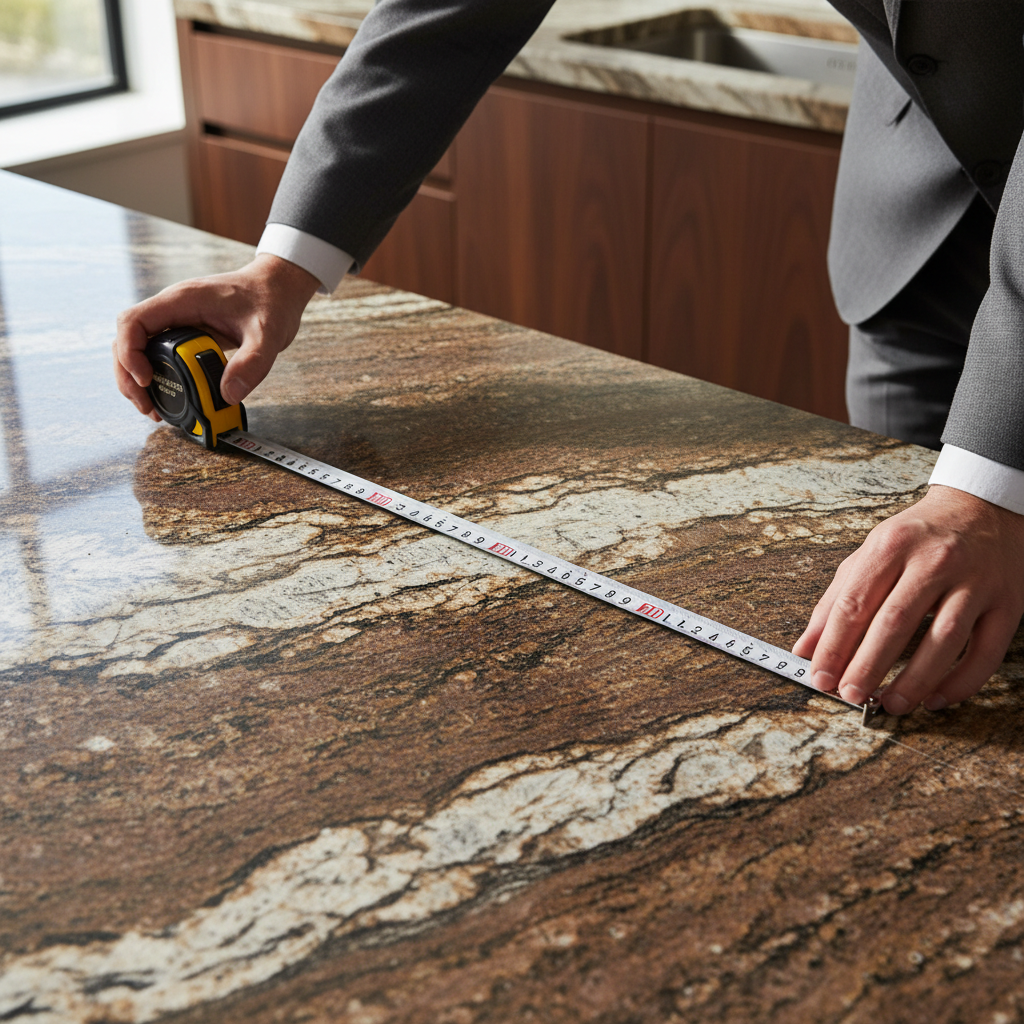
DIY countertop installation can be tricky, and certain pitfalls are common. Avoid inaccurate measurements, as they can lead to poor fitting. Another mistake is neglecting to level the cabinets, which can result in an uneven countertop. Take your time to double-check each step for the best results.
When to Call a Professional
While DIY projects can be rewarding, some installations may require professional expertise. If you're dealing with complex materials or intricate layouts, hiring an expert might be the best choice. This can save you time and prevent costly mistakes.
In conclusion, installing a countertop yourself is a feasible project with the right preparation and tools. By understanding your materials, preparing your space, and following the installation steps carefully, you can achieve a professional-looking result. Remember, patience and precision are your best allies in this endeavor.