
Seasonal Preparation: Protecting Your Marble Countertops in Humid Climates


Marble countertops are a stunning addition to any home, offering elegance and timeless beauty. However, in humid climates, they require special attention to maintain their pristine condition. The high moisture levels can lead to various issues, including staining and etching. To ensure your marble remains as beautiful as the day it was installed, it's essential to adopt a seasonal care routine.
Understanding Marble and Humidity
Marble is a natural stone that is porous by nature. This means it can absorb liquids, which may lead to staining if not addressed promptly. In humid climates, the increased moisture in the air can exacerbate this issue, making it crucial to protect your countertops effectively. Understanding how humidity affects marble is the first step in prevention.
Why Humidity Matters
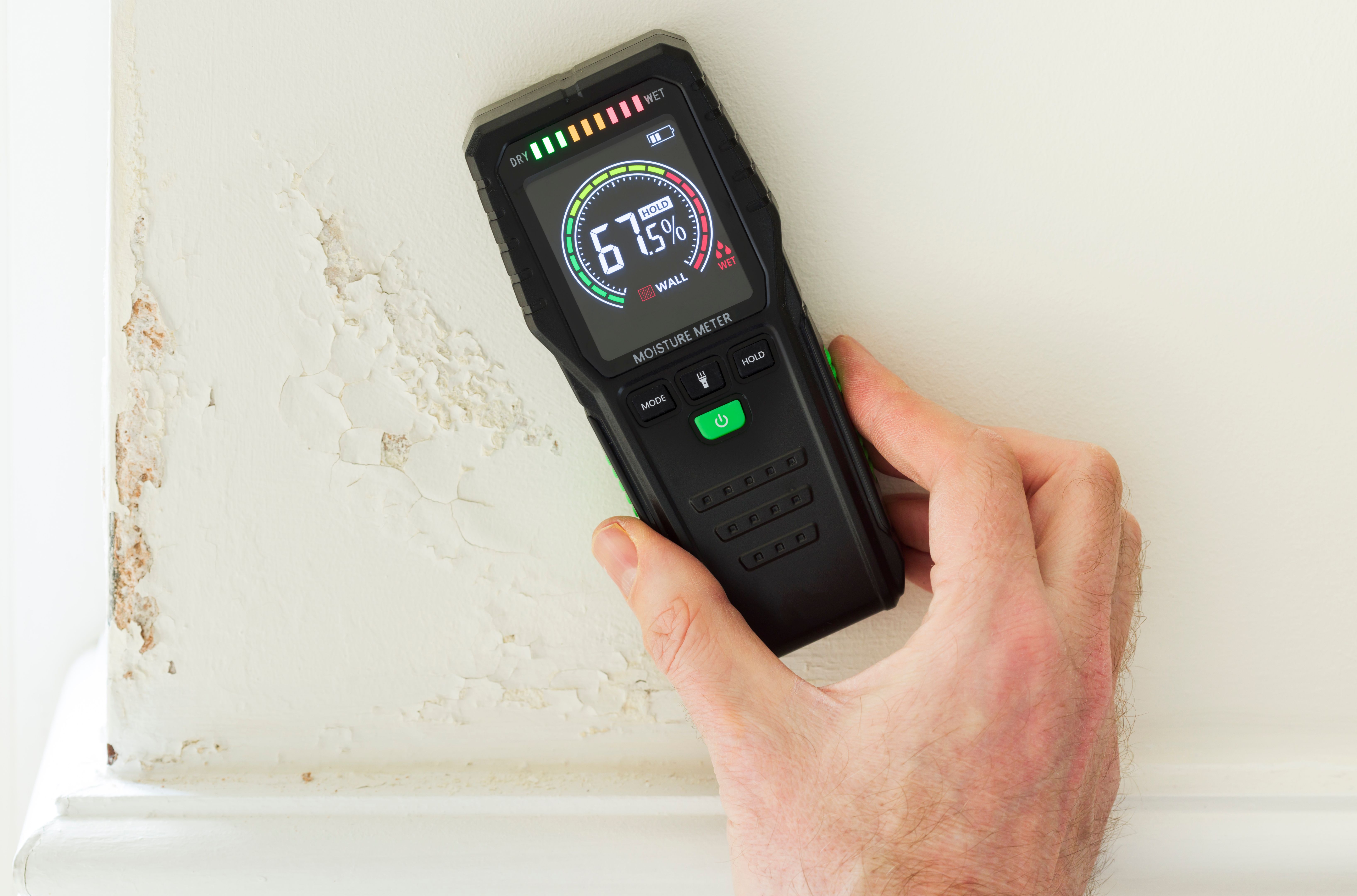
Humidity can lead to increased absorption of liquids into the marble surface, leading to potential staining. Additionally, the moisture can promote mold growth on and around your countertops, which not only affects the appearance but can also pose health risks. Therefore, maintaining a dry and clean surface is paramount.
Protective Measures for Your Countertops
To safeguard your marble countertops, start by applying a high-quality sealant. Sealants create a protective barrier that minimizes liquid absorption. In humid climates, it may be necessary to reseal your countertops more frequently than in drier areas. Always follow the manufacturer's instructions for best results.
Regular Cleaning and Maintenance
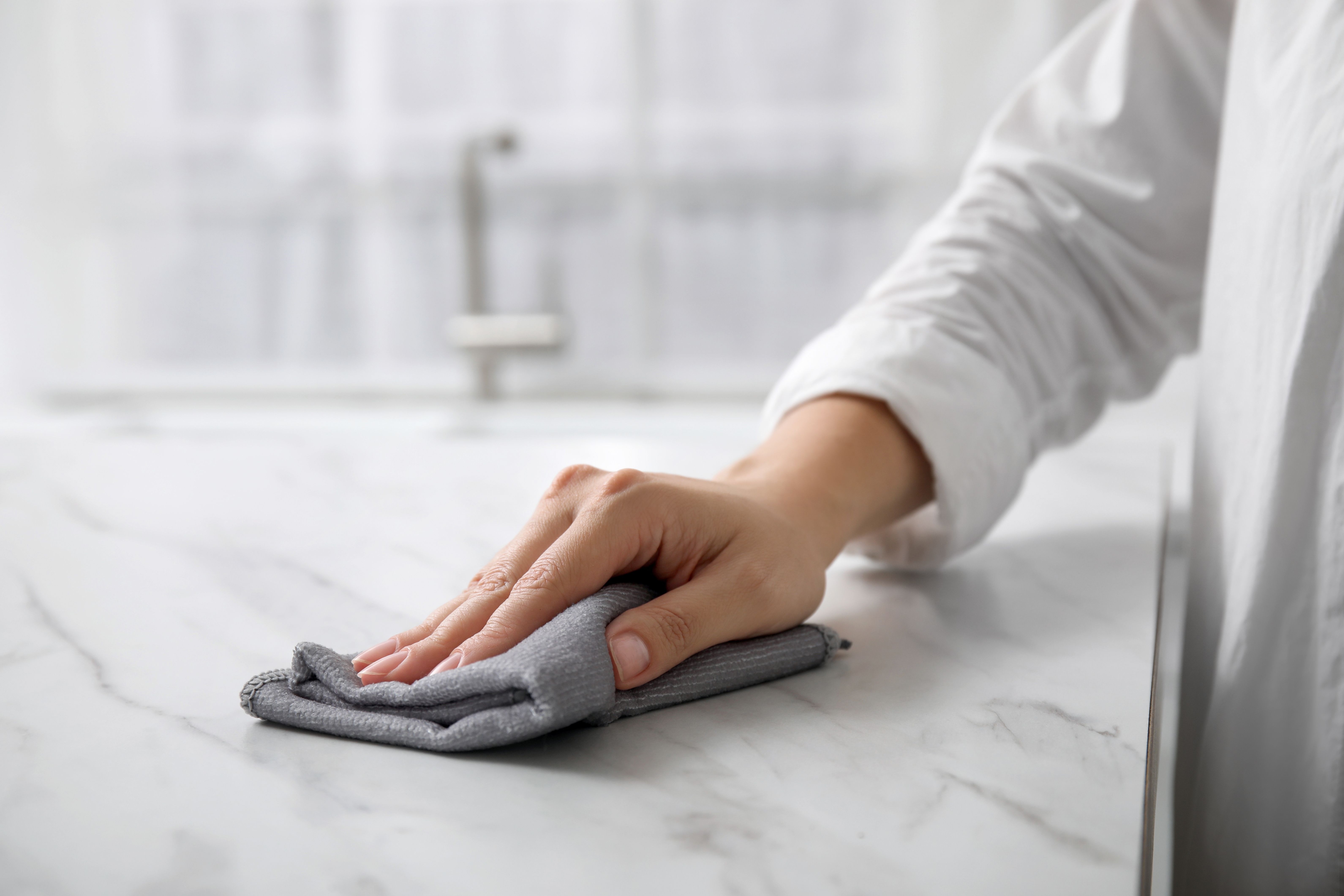
Regular cleaning with a pH-neutral cleaner is crucial. Avoid using acidic or abrasive cleaners as they can damage the marble surface. Instead, use a soft cloth or sponge to wipe down the countertops daily. For deeper cleaning, a gentle stone cleaner specifically designed for marble is recommended.
- Apply a marble sealant every 6-12 months.
- Use coasters and trivets to prevent direct contact with liquids.
- Clean spills immediately to prevent staining.
Dealing with Stains and Etches
Despite best efforts, stains and etches can still occur. For organic stains, a poultice made of baking soda and water can be effective in drawing out discolorations. For etching, which appears as dull spots on the surface, you might need to use a marble polishing powder or consult a professional for refinishing.
Preventing Future Damage
Preventing damage is always better than repair. Encourage everyone in your household to use cutting boards, trivets, and coasters. This simple practice can significantly reduce the risk of scratches and stains. Additionally, maintaining a stable indoor climate with the use of dehumidifiers can help control moisture levels in your home.

By following these guidelines, you can enjoy the timeless beauty of your marble countertops for years to come, even in challenging humid climates. Regular maintenance and proactive protection are key to preserving their elegance and functionality.