
The Environmental Benefits of Quartz Countertops


Understanding the Appeal of Quartz Countertops
Quartz countertops have become increasingly popular in modern kitchen and bathroom designs. This surge in popularity isn't just due to their stunning appearance and durability; quartz countertops also offer significant environmental benefits. As more homeowners and builders prioritize sustainability, quartz emerges as a top choice for eco-friendly surfaces.
Durability and Longevity
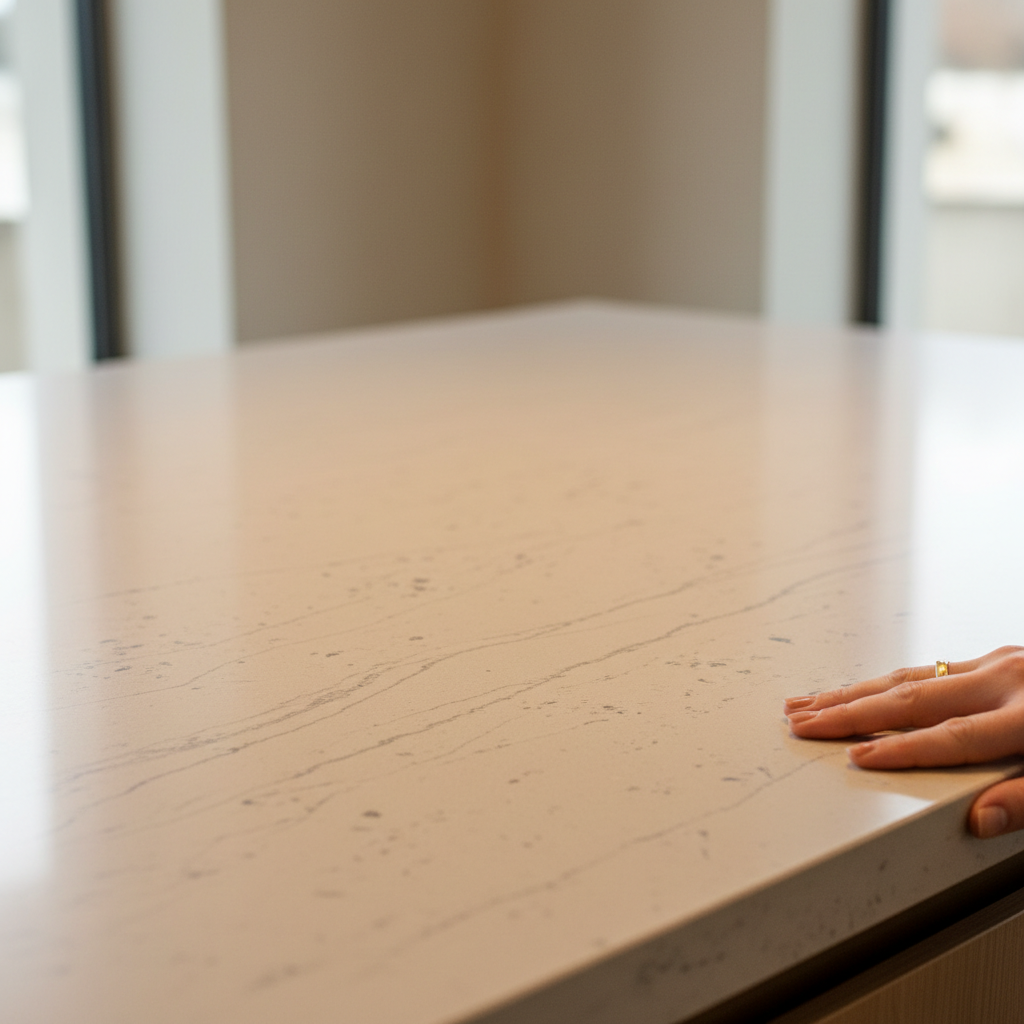
One of the primary environmental benefits of quartz countertops is their durability. Unlike natural stone, quartz is engineered to be exceptionally hard and resistant to scratches, stains, and heat. This longevity means fewer replacements over time, reducing the demand for raw materials and decreasing waste. By choosing quartz, you're investing in a surface that will withstand the test of time, which is a sustainable choice for both your home and the planet.
Low-Impact Production
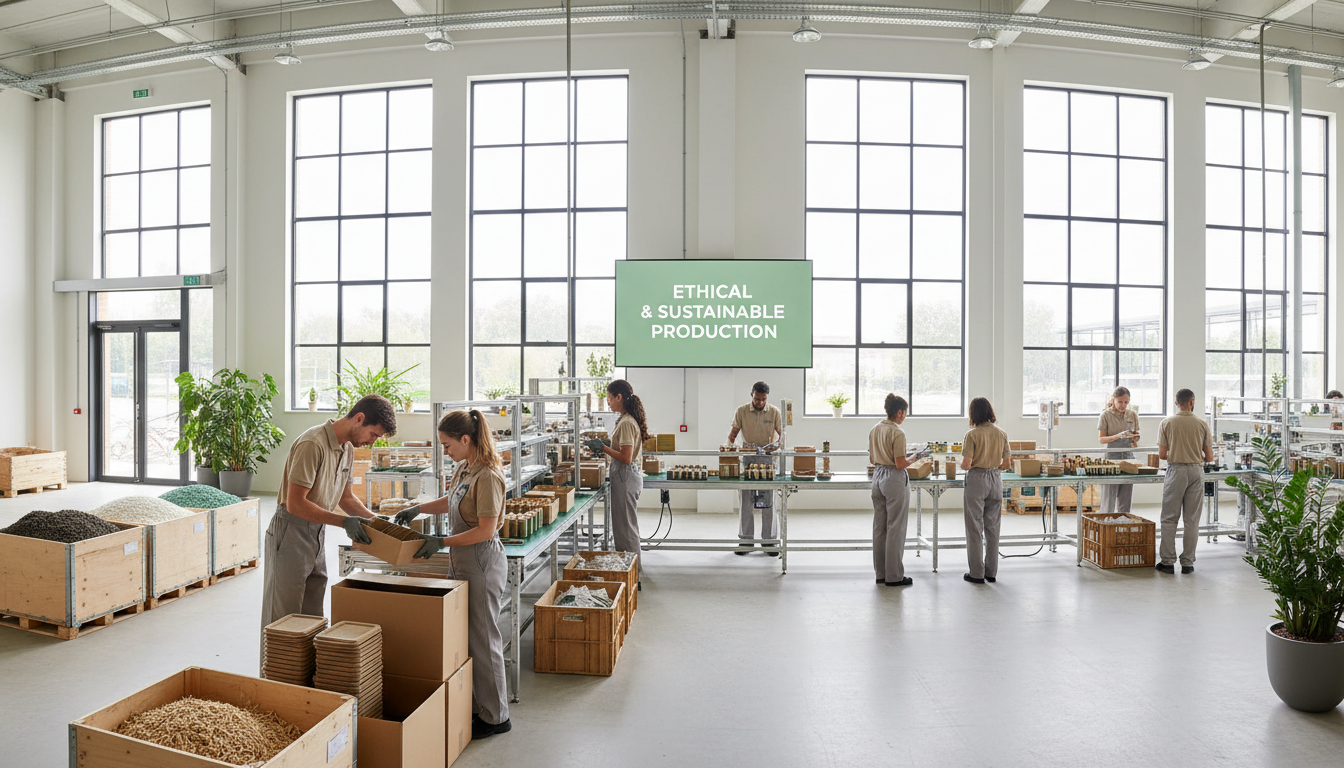
Quartz countertops are made using a process that involves binding natural quartz crystals with resins and pigments to create a non-porous, durable surface. This manufacturing process can be more environmentally friendly than quarrying natural stone, which can lead to habitat destruction and high energy consumption. Additionally, many manufacturers are now using recycled materials in their quartz countertops, further minimizing their environmental footprint.
Non-Toxic and Safe
Another advantage of quartz countertops is that they are non-porous, which makes them resistant to bacteria and mold. This feature not only ensures a safer and cleaner surface but also eliminates the need for harsh chemical sealants and cleaners. By reducing the use of these chemicals, you contribute to a healthier indoor environment and lessen the impact on waterways and ecosystems.
Energy Efficiency
Quartz countertops can also contribute to energy efficiency in your home. Their light-reflective properties can enhance natural light, reducing the need for artificial lighting during the day. This small but significant benefit can lead to lower energy consumption, which is good for both the environment and your energy bills.
Recyclability and End-of-Life Impact
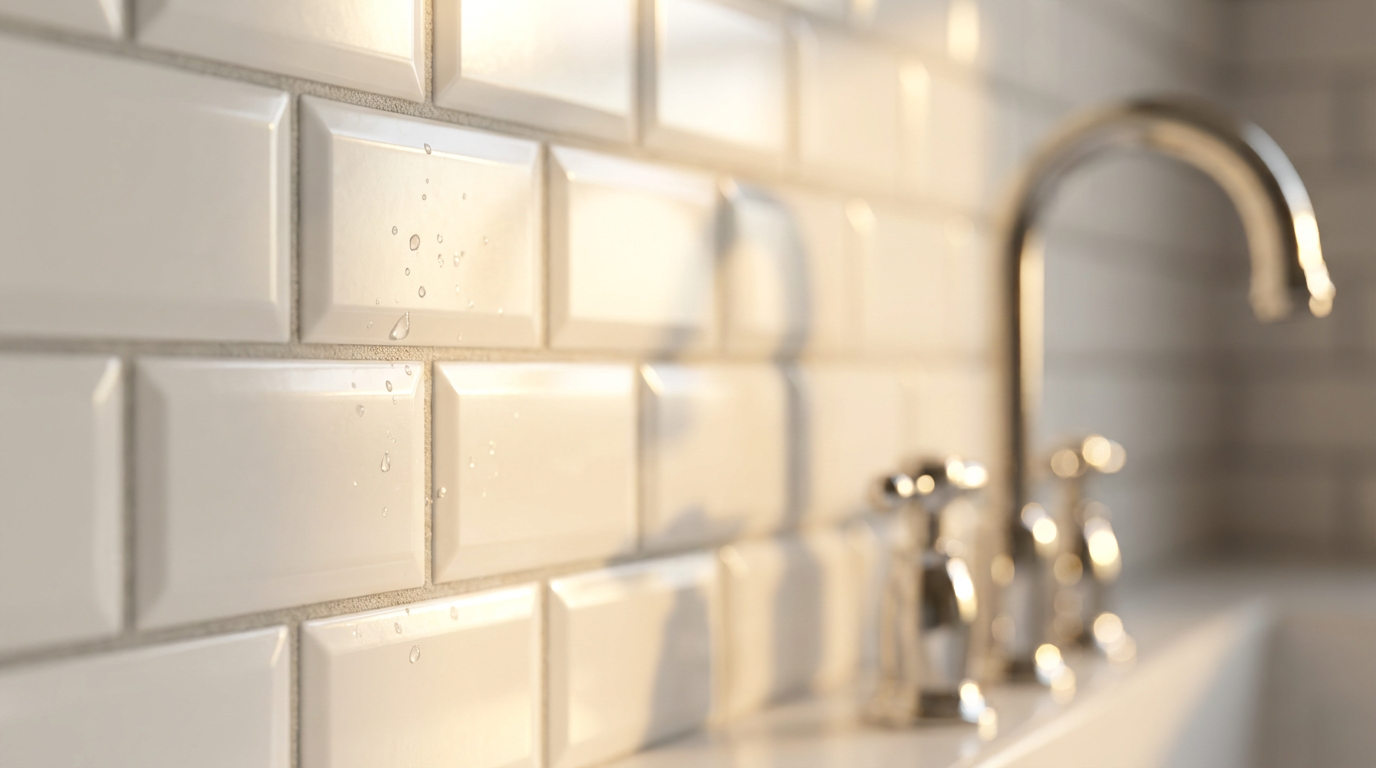
At the end of their lifecycle, quartz countertops can be recycled, reducing the amount of waste that ends up in landfills. Some manufacturers offer programs to take back old countertops, ensuring they are repurposed or recycled responsibly. This commitment to sustainability helps close the loop and promotes a circular economy.
In summary, the choice of quartz countertops in your home is not just a style decision but also a statement of environmental responsibility. With their durability, low-impact production, and potential for recyclability, quartz countertops offer a sustainable solution that aligns with eco-conscious living. Embracing these surfaces can be a step towards a more sustainable future.